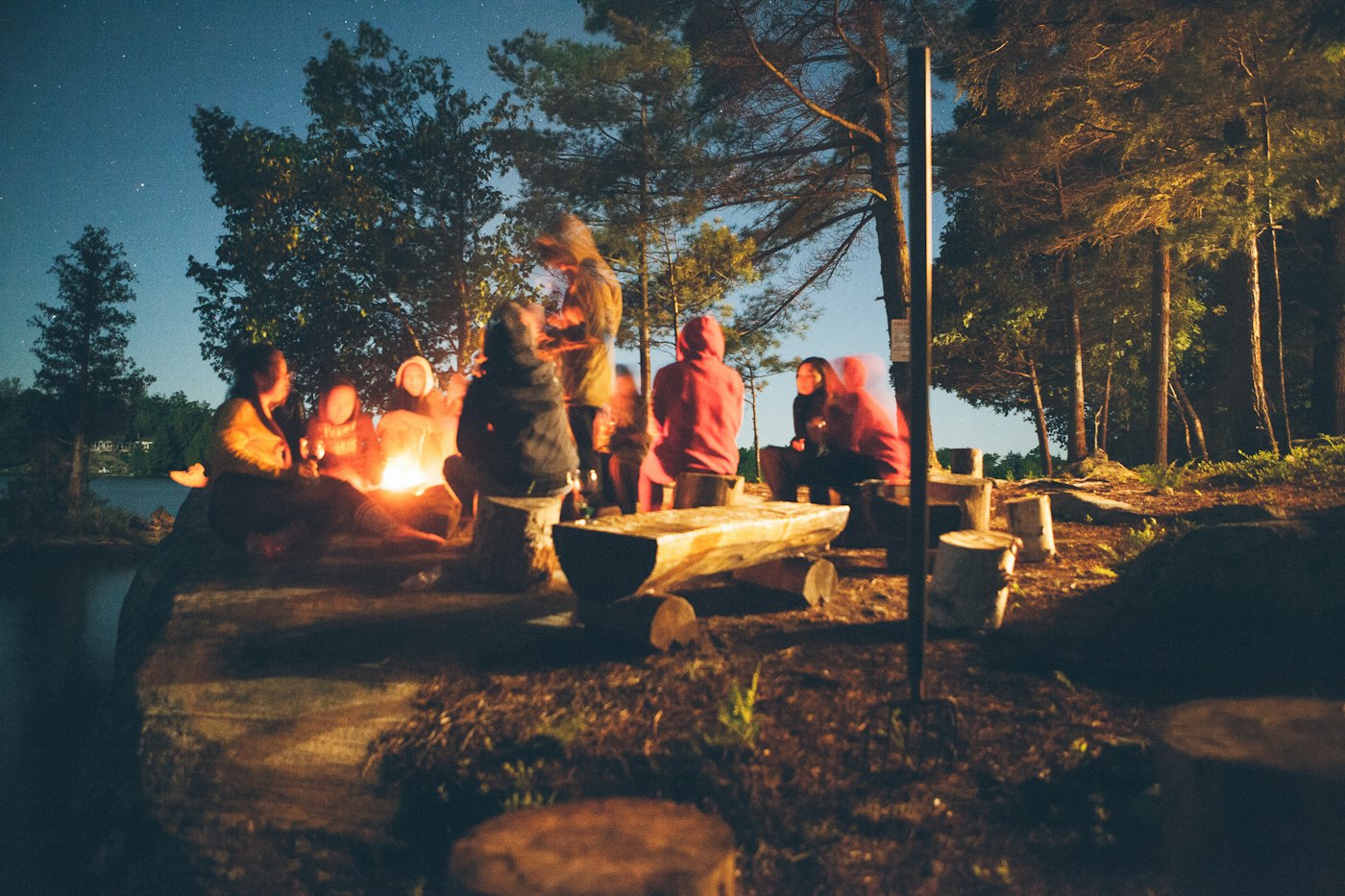
This started in 2011 with three guides who couldn't reconcile what tourism had become with what wilderness actually offers. The disconnect was everywhere.
Tour groups moving through landscapes like conveyor belts. Guides reciting scripts. Destinations chosen for their Instagram potential rather than their capacity for genuine experience.
We built spry-mesa as an alternative structure. Not a reaction against tourism, but a deliberate redesign of how people move through wild places.
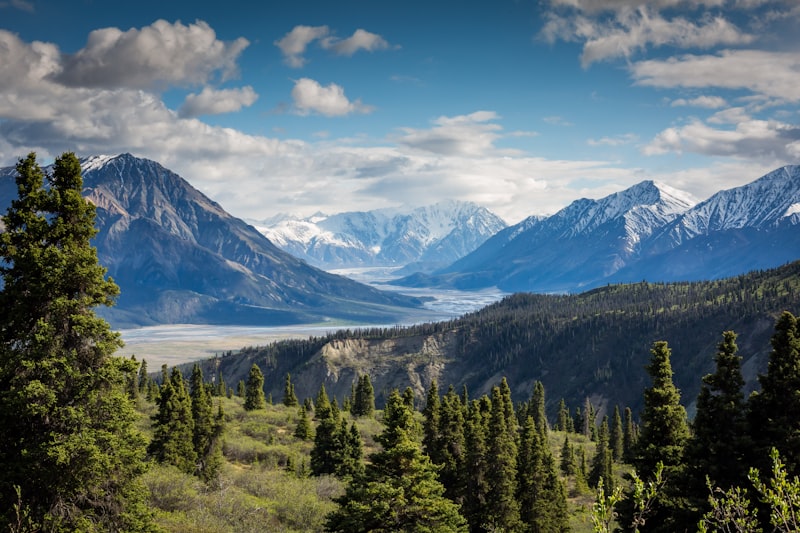
Early expeditions tried to optimize everything. Efficient routes. Predictable timelines. Maximum coverage per day. We treated wilderness like a product to be consumed.
Participants left satisfied but unchanged. That wasn't what we set out to create.
The shift came when we started removing elements instead of adding them. Fewer waypoints. Longer pauses. Routes determined by conditions rather than predetermined maps.
Every expedition follows terrain, not itinerary. Weather dictates pace. Wildlife patterns influence routes. We adjust daily based on what the environment presents.
Group sizes stay small because larger numbers fundamentally alter how wilderness behaves. Four people can move through an ecosystem without overwhelming it. Eight cannot.
Guides speak when insight adds value. Otherwise, silence carries more information than narration ever could.
Lead Guide
Thirteen years navigating alpine and glacial environments. Specialized in ice field expeditions and high-altitude route finding.
Wildlife Specialist
Eleven years tracking and observing wildlife in their natural territories. Expertise in animal behavior and ethical observation practices.
Backcountry Navigator
Nine years guiding multi-day treks through remote terrain. Specializes in navigation by landscape reading and seasonal adaptation.
We prioritize ecological integrity over convenience. If a route would disturb nesting areas or migration patterns, we adjust regardless of how it affects the original plan.
Revenue comes from expedition fees, not volume. We run fewer expeditions at sustainable pricing rather than maximizing bookings.
Every guide on our team has autonomy to modify routes based on their assessment of conditions. There's no central office overriding field decisions.